

The historical evolution of gambling From ancient rituals to modern casinos
The historical evolution of gambling From ancient rituals to modern casinos
Origins of Gambling: Ancient Practices
The history of gambling dates back thousands of years, with evidence suggesting that ancient civilizations engaged in various forms of betting and chance games. In Mesopotamia, the earliest known dice, made from animal bones, were used around 3000 BC for divination and games of chance. These primitive forms of gambling often held spiritual significance, intertwining with rituals and cultural beliefs. One intriguing game that has gained popularity today is the aviator, which showcases how far betting has come since ancient times.

Similarly, in ancient China, gambling games emerged as early as 200 BC, with references to games of chance found in historical texts. The Chinese played a significant role in developing gambling games that we recognize today. The use of Keno and other games illustrated the social and economic aspects of gambling, which was often viewed as a test of fate and fortune.
The Role of Gambling in Ancient Societies
As societies evolved, so did the purpose and perception of gambling. In Rome, for instance, gambling was not only a popular pastime but also an integral part of various festivities. The Roman Empire embraced the thrill of risk, with bets placed on gladiatorial combat, chariot races, and other public spectacles, indicating that gambling was deeply embedded in the cultural fabric.
Moreover, in ancient India, gambling was both a game of skill and chance, often depicted in epics like the Mahabharata. The significance of these games highlighted the social dynamics of the time, where gambling served as a platform for competition, honor, and even conflict among families and communities.
The Middle Ages and the Rise of Gambling Houses
The Middle Ages marked a pivotal shift in gambling, with the establishment of dedicated venues for gaming. As governments began to recognize the potential revenue from gambling, regulations emerged. The first recorded gambling houses were established in Italy, leading to the popularization of games like the lottery and cards.
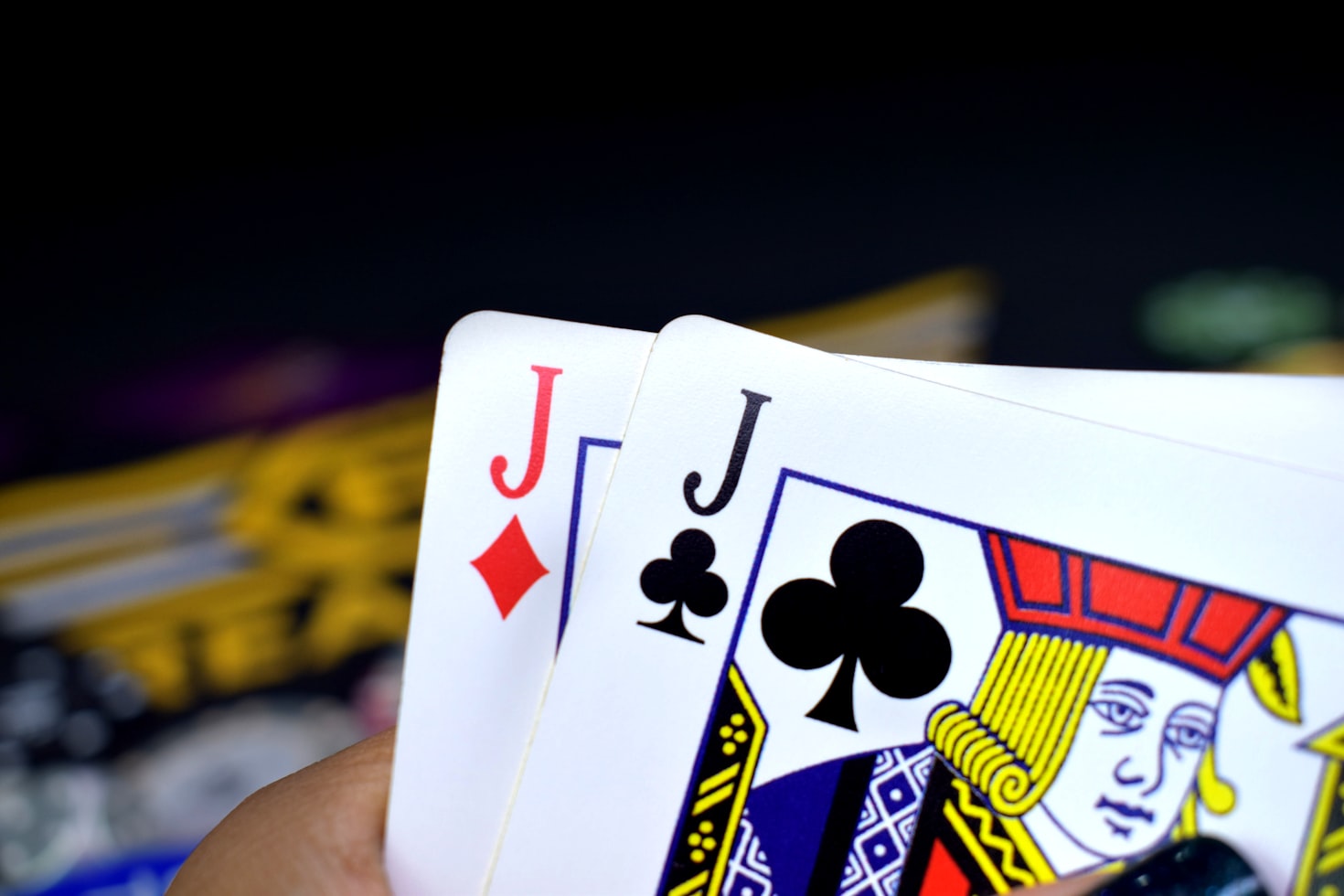
During this period, gambling began to attract a more diverse audience. The aristocracy indulged in high-stakes games, while common folk participated in simpler betting activities. The development of playing cards in the 14th century further transformed gambling, as these cards became integral to various games, leading to both entertainment and social engagement among players.
The Birth of Modern Gambling: Casinos and Regulation
The 17th century heralded the birth of modern gambling with the introduction of formal casinos. The Casino di Venezia, established in Italy, is often considered the world’s first casino, offering a variety of games under regulated conditions. This era witnessed a shift towards a more organized approach, where patrons could enjoy gaming in a luxurious environment.
With the rise of casinos, gambling evolved into a mainstream form of entertainment. The 19th century saw the establishment of renowned casinos in Monaco and beyond. The combination of elegance, thrill, and the allure of winning money transformed gambling into a popular social activity, transcending social classes and geography.
Modern Gambling: The Digital Revolution
Today, gambling has undergone a significant transformation with the advent of technology. The online gambling industry has exploded, allowing players to access a vast array of games from the comfort of their homes. Websites and applications offer everything from traditional casino games to innovative online platforms, reshaping the gambling landscape.
Modern casinos also integrate advanced technologies, including virtual reality and live dealer games, enhancing the immersive experience for players. The growing acceptance of gambling across various cultures reflects a shift in social attitudes, although discussions around responsible gaming and regulation continue to be paramount in ensuring a safe environment for players.
 English
  French